October 21, 2026
Independent Living vs. Assisted Living: Where Does Respite Care Fit in the Senior Care Spectrum?
By @dantekxrm553
Business Name: BeeHive Homes of Gallup
Address: 600 Gurley Ave, Gallup, NM 87301
Phone: (505) 591-7024
BeeHive Homes of Gallup
Beehive Homes of Gallup assisted living care is ideal for those who value their independence but require help with some of the activities of daily living. Residents enjoy 24-hour support, private bedrooms with baths, medication monitoring, home-cooked meals, housekeeping and laundry services, social activities and outings, and daily physical and mental exercise opportunities. Beehive Homes memory care services accommodates the growing number of seniors affected by memory loss and dementia. Beehive Homes offers respite (short-term) care for your loved one should the need arise. Whether help is needed after a surgery or illness, for vacation coverage, or just a break from the routine, respite care provides you peace of mind for any length of stay.
600 Gurley Ave, Gallup, NM 87301
Business Hours
Families seldom wake up one early morning and choose, calmly and confidently, that it is time to move a parent into senior housing. Generally it comes after a slow construct of concern: a fall that might have been worse, medications that are getting mixed up, a spouse who is clearly tired from caregiving, or a creeping worry that you are missing indication due to the fact that you live throughout town or in another state.

In that fog of issue, various terms start to blur together. Independent living. Assisted living. Respite care. Skilled nursing. It can seem like alphabet soup at the exact minute you require clearness and calm, not jargon.
This is where a clear understanding of how independent living, assisted living, and respite care connect to each other can change the trajectory of decision making. Rather of reacting to crisis, you can begin to see senior care as a continuum, with alternatives that can be integrated or sequenced to fit your household's reality.
I have actually invested years sitting at kitchen area tables and center conference rooms with families who feel stuck in between keeping a loved one at home and "putting them in a home." The truth is less plain. Independent living and assisted living serve various requirements, and respite care can be a flexible bridge in between them, or a safety valve that safeguards both the older adult and the main caregiver.
The senior care spectrum in plain language
Senior care is not a single service. It is closer to a spectrum that ranges from completely independent living to extensive treatment. Where your loved one fits depends on function, safety, support system, and preferences, not on age alone.
Roughly speaking, it appears like this:
At one end are older grownups living in their own homes, maybe with some home care or aid from family, however basically managing their own lives. At the other end are nursing homes and long term care facilities, where people receive 24 hour medical and individual care because of severe health problem or advanced disability.
Independent living and assisted living sit in the middle. They are both forms of residential senior care, but they are constructed on really various assumptions about what the resident can and can not do.
Respite care fits differently. It can be a short term stay inside an assisted living neighborhood, a few weeks of in home care, or a short-term bed in a skilled nursing facility after a hospitalization. It is less a location and more a function: momentary relief, support, or testing ground.
Understanding those differences is the initial step towards utilizing each alternative wisely.
Independent living: way of life first, care second
Independent living communities are developed for older grownups who can handle their own individual care but desire the benefit, security, and social structure of a senior environment. I typically describe them as apartment or condos or cottages tailored for older grownups, covered in hospitality services rather of health care.
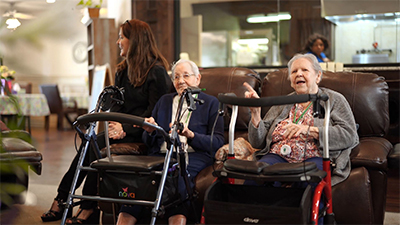
Most independent living settings offer personal apartments with kitchen spaces or complete kitchen areas, common dining-room, housekeeping, upkeep, scheduled transportation, and a calendar of social and wellness activities. Some seem like quiet garden neighborhoods, others like cruise ships that never leave port.
Crucially, independent living presumes that residents can:
- Handle fundamental activities of daily living, like bathing, dressing, and toileting, without hands on help
- Manage their medications, whether by arranging tablet boxes, utilizing reminder systems, or relying on family oversight
- Get to the dining-room, medical professional visits, and activities by themselves or with very little informal assistance
If a neighborhood notices that a resident is struggling, they might carefully raise interest in the household, however the legal and regulative structure rarely permits them to action in with hands on care as an assisted living facility could. Some independent living neighborhoods do permit homeowners to bring in private duty caregivers, but that is a different layer, not developed into the core service.
Independent living works best for people who:
- Are primarily safe at home but feel lonesome, bored, or strained by household tasks
- Have early physical constraints but no major cognitive impairment
- Want to "ideal size" from a house that is too large or too much work
- See the move as a lifestyle option instead of a medical necessity
Families sometimes overstate the level of care available in independent living because the environment feels encouraging. I have actually seen adult kids assume that staff will notice if Mom has actually not taken her high blood pressure medication for 3 days. In lots of neighborhoods, nobody is really examining. The risks are subtle initially: missed out on meals, bad hydration, slow hygiene decline. Over time, they can lead to falls, hospitalizations, or an unexpected crisis that may have been preventable.
Assisted living: assistance with every day life, not a hospital
Assisted living is developed for older grownups who are not safe living entirely on their own however do not need constant experienced nursing care. It is the workhorse of contemporary elderly care: a mix of real estate, individual care, and sometimes limited health associated services.
Physically, assisted living can look comparable to independent living: private or semi personal apartments, communal dining, activities, housekeeping. The distinction lies behind the scenes. Assisted living facilities have caregiving staff, often called resident assistants or qualified nursing assistants (CNAs), readily available around the clock. Certified nurses are typically present or on call, depending on state regulations.
Typical assisted living services include help with bathing, dressing, grooming, toileting, transfers, and medication administration or management. Staff respond to call buttons, check in on residents, and coordinate with outdoors healthcare providers. Lots of communities can also handle chronic conditions like diabetes, some types of oxygen therapy, or mild to moderate cognitive impairment, though each center specifies its own limits.
Assisted living works best for individuals who:
- Need hands on aid with a minimum of some activities of daily living
- Are at danger of falls, roaming, or medication mistakes at home
- Have household caretakers who are burning out or can not offer 24 hour support
- Still gain from social engagement and a residential, non institutional environment
Families sometimes see assisted living as a last option, but when picked early enough, it can really preserve independence. I have actually watched residents grow more powerful and more confident once the consistent worry of falling in the shower or forgetting insulin dosages was gotten rid of. Instead of struggling alone, they might conserve their energy for the parts of life they still enjoyed.
That stated, assisted living is not a small healthcare facility. Personnel can not lawfully carry out particular medical jobs outside their license, and they are not geared up to handle highly complicated cases, ventilators, or extreme behavioral signs without outdoors support. The line between assisted living and nursing home level care is partly clinical and partly regulatory, and it differs by state.
Cost and payment realities
The monetary aspect frequently forms what is possible, in some cases more than anyone likes to admit. Both independent living and assisted living are mostly personal pay in the United States. They may look similar on a brochure, but how the cash works can be extremely different.

Independent living is usually structured like lease plus services. Residents pay a monthly fee that covers the home, some or all meals, housekeeping, and amenities. Because there is no bundled personal care, the base expense is typically lower than assisted living for the very same square video footage. If a resident generates private caregivers, those services are paid individually, typically by the hour, and can add up quickly.
Assisted living fees include the house and a defined level of care. Some communities provide tiered prices based upon just how much help the resident requirements, such as "Level 1" for light help and "Level 4" for substantial support. Others use a point system or all inclusive prices. Monthly costs can increase if the resident's care requires grow, which can shock households who anticipated a steady bill.
Health insurance coverage and Medicare cover medical care, however they usually do not pay for room, board, or long term custodial care in assisted living. Long term care insurance policies can assist if they are in place and the benefit triggers are fulfilled, but the provisions are highly variable. Some states supply minimal Medicaid coverage for assisted living, yet waiting lists and eligibility rules are common.
Respite care engages with these costs in essential ways, particularly as a way to "test drive" a community without dedicating to a long term agreement, or to purchase time while figuring out finances or benefits.
Where respite care fits: a flexible safety net
Respite care is momentary care for an older adult who usually lives in the house or in a less supported setting, so that the main caretaker can rest, travel, recover from illness, or address other obligations. It can last anywhere from a few hours a week to several weeks at a time.
Respite care can be provided in a number of types:
- In home respite, where a paid caregiver enters the home to provide hands on support and supervision.
- Adult day programs, where the older adult spends part of the day in a structured environment with activities, meals, and personnel oversight, then returns home in the evening.
- Short term stays in assisted living or competent nursing, where the individual lives on site for a set duration with access to the same services as permanent residents.
Each variation plays a various role, but all share the same objective: to prevent caretaker burnout and decrease the danger of crisis by planning breaks instead of waiting on collapse.
In the context of independent and assisted living, respite care typically serves three important functions.
First, it provides trial runs. A short remain in an assisted living facility can show whether an individual who insists they are "great in the house" in fact thrives with structured support. I have seen proud, independent parents who combated the idea of "moving" consent to a 2 week respite stay while their child had surgical treatment. By the end, they had made buddies at lunch, enjoyed having someone else manage medications, and chose to stay completely by themselves terms.
Second, it supplies pressure relief for household caregivers attempting to sustain someone at home. A child might be doing everything right for his mother in independent living, going to daily, managing her medications, and organizing outside caretakers. A prepared three week respite remain in assisted living while he takes a trip for work protects both of them from the all too typical pattern of eleventh hour, crisis driven placement.
Third, respite care covers transitions, particularly after hospitalizations or rehab stays. An individual who lived separately before a fall might not be safe to return straight to their old plan, however may also not require an irreversible assisted living relocation. A month of respite in assisted living permits time to see what their new baseline elder care BeeHive Homes of Gallup actually is, without committing to a long term lease.
Independent vs assisted living: practical distinctions that matter
On paper, the distinctions in between independent living and assisted living are clear. In truth, families typically battle with gray zones. A parent might be mainly independent however gradually reducing weight. Or they may "handle" medications but just because a partner constantly advises them. These borderline situations expose the useful gaps between the two models.
A few themes turn up repeatedly in genuine cases.
Supervision versus care. Independent living staff keep an eye on the neighborhood environment, but they are not accountable for private residents' health in the very same method assisted living staff are. If somebody does disappoint up for supper for three nights, independent living might ultimately knock, but assisted living will likely discover and investigate much sooner, typically within hours.
Timing of aid. In assisted living, pushing the call button sets off a staff action. In independent living, there is frequently no expectation of immediate in space support. Locals who fall in their apartments might wait much longer to be discovered unless they have additional tools like emergency situation pendants, motion sensors, or day-to-day check in calls.
Medication management. This is frequently the turning point. As soon as an older adult can no longer safely self handle medications, a purely independent setting becomes risky. Assisted living can formally take over, recording administration, tracking rejections, and collaborating with physicians. Attempting to replicate that in independent living through family oversight works just as long as the caretaker can dependably visit or monitor.
Progression of disease. Chronic conditions like Parkinson's illness, heart disease, or early dementia can be reasonably well supported in independent living at first. With time, the cognitive or physical demands on the resident increase. If the neighborhood does not have integrated in assistance, the household must function as the buffer. Eventually, numerous households reach a tipping point where the patchwork of aides and household visits becomes more complex and pricey than an assisted living move.
Respite care can be used tactically around these tipping points. A brief assisted living stay for "healing" after a fall can reveal surprise care needs that were masked in your home or in independent living. Perhaps staff notification that the resident needs moderate assist with toileting at night, something the partner or adult kid never totally admitted. That details can form whether the next action is more home assistance, a permanent move, or another kind of senior care.
Using respite care to make better long term decisions
Families who utilize respite care thoughtfully tend to make more confident, less reactive choices. The key is to deal with respite not only as momentary relief, however as information gathering.
A short assisted living respite stay can answer a number of practical concerns:
- How does the person react to staff support with bathing, dressing, or medications?
- Do they sign up with activities and meals, or retreat to their room?
- Are there behavioral or cognitive concerns that emerge more plainly in a structured setting?
- Do regular nighttime requirements emerge that would be difficult to handle at home?
A genuine example: an 84 years of age woman, residing in independent living, physically capable however very isolated, consented to a 30 day respite in assisted living after a hospitalization for dehydration. Her daughter made certain this was just a bridge back to self-reliance. During respite, staff discovered noticable short term amnesia, medication confusion, and anxiety when routines changed. Her child had actually dismissed these as "just aging," however in assisted living the patterns were obvious. Because this appeared during a planned respite instead of a crisis, they could talk about choices calmly. The woman selected to stay in assisted living, framing it as "finishing to more aid," instead of feeling forced.
Respite can likewise give caregivers a sensible view of their own limitations. I have actually seen deeply devoted partners who insist they "can handle" whatever at home, only to recognize, throughout a two week respite stay, how tired they actually were. They sleep through the night for the first time in months, notice aches they had actually disregarded, or lastly arrange their own overdue medical consultations. That lived contrast frequently moves the conversation from "I am stopping working if I can not do everything" to "We need a sustainable strategy."
Questions families ought to ask before choosing a level of care
Families sometimes feel pressured to choose quickly. Taking even a brief time out to ask the ideal concerns can avoid bad moves. When weighing independent living, assisted living, and making use of respite care, it assists to begin with a blunt, reality based self assessment.
Consider this short list as you examine choices:
- Is my loved one safe alone for prolonged durations, including in the evening, without instant aid nearby?
- Can they regularly handle all medications, meals, and health without pointers or hands on assistance?
- What particular jobs am I (or other family members) providing for them now, and how sustainable is that over the next year?
- How would things change if I got ill, needed to travel, or could not exist as often?
- Have we tried or a minimum of discussed a trial respite remain to understand how they work with more structured support?
The responses frequently reveal whether the existing setup is barely holding together or genuinely viable. If independence depends on one overwhelmed caretaker and breakable routines, respite care is not a luxury. It is an early intervention.
Coordinating respite within different settings
Where and how you organize respite depends greatly on where your loved one lives today.
For somebody already in independent living, respite may include a short-term move to an assisted living home within the exact same campus, if available, or to a nearby facility. Some bigger senior living schools have both independent and assisted living under one umbrella, with basic rates for respite stays. Others partner with regional assisted living or proficient nursing facilities.
For somebody living alone in a personal home, respite may suggest generating in home caretakers part-time or full-time for a set period, enrolling in an adult day program, or organizing a short-term assisted living stay. Adult day programs are especially underused. A few days weekly in a structured setting can offer caregivers daytime relief and also offer early warning signs of decrease. Personnel notice who is silently withdrawing, who is struggling with standard tasks, and who may benefit from more comprehensive senior care.
If the person already resides in assisted living, respite might be needed for the caregiver more than for the resident. Adult kids in some cases move a parent better, help them settle, then recognize they need to step back temporarily. An organized week where the community understands the child is intentionally not checking out can check whether the care plan is truly sufficient without her consistent presence.
Payment for respite care is irregular. Some long term care insurance coverage cover it up to a maximum variety of days per year. Specific government programs, especially for veterans or people with specific medical diagnoses, may money minimal respite hours. Regularly, households pay privately by the day or week. While that can feel expensive, it is often cheaper than the downstream costs of caregiver collapse: lost jobs, illness, or hurried long term positioning in the incorrect setting.
Emotional resistance and how respite can soften it
The hardest part of all of this is seldom the documentation or logistics. It is the emotional weight behind words like "care," "center," and "aid." Many older adults hear "assisted living" and picture old design nursing homes. Many caregivers hear "respite" and feel guilty at the extremely concept of a break.
I have actually learned not to argue straight with those sensations. Rather, I frame respite and assisted living as tools to protect autonomy and relationships.
For increasingly independent senior citizens, a short, plainly time minimal respite stay typically feels more appropriate than an open ended relocation. They can consent to "attempt it while I recuperate from this fall" or "provide you a break because you have your own surgical treatment turning up." As soon as on site, they experience the everyday reality rather than their fears. In some cases they select to stay. Often they do not, but both results are based on lived experience, not envisioned scary stories.
For caretakers drowning in responsibility, calling respite as a health intervention can help. Exhaustion, chronic sleep loss, and unmanaged stress are danger elements for serious health problem. Securing the caregiver's health is part of accountable elderly care, not a self-centered extravagance. A planned respite block can be set up on the calendar, like any other medical visit, to shift it out of the realm of unclear intent into concrete plan.
The other psychological piece is timing. Relocations made in the middle of crisis tend to feel distressing. Relocations that happen after several respite stays typically go more smoothly. The environments recognize. Personnel are not strangers. Routines have already been checked and tweaked.
Bringing it together: utilizing each option in the ideal way
Independent living, assisted living, and respite care are not competitors. Each addresses a particular slice of requirement, and the most resistant care plans often weave them together over time.
Someone might begin in their own home with a few hours of in home respite care every week. As the caregiver's concern grows, they may add an adult day program, then shift to independent living for social assistance and reduced family needs. A bad fall may set off a month of respite in assisted living, revealing formerly hidden care requirements. That trial could lead to a permanent assisted living residency, with routine respite intervals integrated in for member of the family who stay deeply involved.
Another person might move directly from home to assisted living after a stroke, utilizing respite coverage from their long term care policy to finance the first one month while documents catches up. Later on, as they stabilize, they may shift to a lower care level within the same campus or move closer to a various relative, again utilizing a short respite stay as a soft landing.
The common thread is versatility. Rather of locking into a single label like "independent" or "assisted," households who think in terms of a spectrum can change as conditions change. Respite care works as the shock absorber in that system, taking pressure off at essential minutes, revealing genuine requirements, and enabling modifications before small problems end up being emergencies.
Senior care is seldom cool. Conditions advance unevenly. Family situations alter. Facilities develop. The objective is not to choose the best choice when, but to construct a path that can bend without breaking. Comprehending how independent living, assisted living, and respite care relate provides you more room to maneuver, and more ways to secure both the older grownup's dignity and the caretaker's well being over the long run.
BeeHive Homes of Gallup provides assisted living care
BeeHive Homes of Gallup provides memory care services
BeeHive Homes of Gallup provides respite care services
BeeHive Homes of Gallup supports assistance with bathing and grooming
BeeHive Homes of Gallup offers private bedrooms with private bathrooms
BeeHive Homes of Gallup provides medication monitoring and documentation
BeeHive Homes of Gallup serves dietitian-approved meals
BeeHive Homes of Gallup provides housekeeping services
BeeHive Homes of Gallup provides laundry services
BeeHive Homes of Gallup offers community dining and social engagement activities
BeeHive Homes of Gallup features life enrichment activities
BeeHive Homes of Gallup supports personal care assistance during meals and daily routines
BeeHive Homes of Gallup promotes frequent physical and mental exercise opportunities
BeeHive Homes of Gallup provides a home-like residential environment
BeeHive Homes of Gallup creates customized care plans as residents’ needs change
BeeHive Homes of Gallup assesses individual resident care needs
BeeHive Homes of Gallup accepts private pay and long-term care insurance
BeeHive Homes of Gallup assists qualified veterans with Aid and Attendance benefits
BeeHive Homes of Gallup encourages meaningful resident-to-staff relationships
BeeHive Homes of Gallup delivers compassionate, attentive senior care focused on dignity and comfort
BeeHive Homes of Gallup has a phone number of (505) 591-7024
BeeHive Homes of Gallup has an address of 600 Gurley Ave, Gallup, NM 87301
BeeHive Homes of Gallup has a website https://beehivehomes.com/locations/gallup/
BeeHive Homes of Gallup has Google Maps listing https://maps.app.goo.gl/iMEbZo7VyH1tHATP9
BeeHive Homes of Gallup has TikTok page https://www.tiktok.com/@beehivehomesgallup
BeeHive Homes of Gallup has an YouTube page https://www.youtube.com/@WelcomeHomeBeeHiveHomes
BeeHive Homes of Gallup has Facebook page https://www.facebook.com/beehivehomesgallup
BeeHive Homes of Gallup has Instagram page https://www.instagram.com/beehivehomesofgallup/
BeeHive Homes of Gallup won Top Assisted Living Homes 2025
BeeHive Homes of Gallup earned Best Customer Service Award 2024
BeeHive Homes of Gallup placed 1st for Senior Living Communities 2025
People Also Ask about BeeHive Homes of Gallup
What is BeeHive Homes of Gallup Living monthly room rate?
The rate depends on the level of care that is needed. We do a pre-admission evaluation for each resident to determine the level of care needed. The monthly rate is based on this evaluation. There are no hidden costs or fees
Can residents stay in BeeHive Homes of Gallup until the end of their life?
Usually yes. There are exceptions, such as when there are safety issues with the resident, or they need 24 hour skilled nursing services
Do we have a nurse on staff?
No, but each BeeHive Home has a consulting Nurse available 24 – 7. if nursing services are needed, a doctor can order home health to come into the home
What are BeeHive Homes of Gallup's visiting hours?
Our visiting hours are currently under restriction by the state health officials. Limited visitation is still allowed but must be scheduled during regular business hours. Please contact us for additional and up-to-date information about visitation
Do we have couple’s rooms available?
Yes, each home has rooms designed to accommodate couples. Please ask about the availability of these rooms
Where is BeeHive Homes of Gallup located?
BeeHive Homes of Gallup is conveniently located at 600 Gurley Ave, Gallup, NM 87301. You can easily find directions on Google Maps or call at (505) 591-7024 Monday through Sunday 9:00am to 5:00pm
How can I contact BeeHive Homes of Gallup?
You can contact BeeHive Homes of Gallup by phone at: (505) 591-7024, visit their website at https://beehivehomes.com/locations/gallup/ or connect on social media via TikTok Facebook or YouTube
Conveniently located near Beehive Homes of Gallup Red Rock 10 Allen Theatres a great movie theater with full food & drink menu. Catch a movie and enjoy some great food while you wait.
❧